How to Operate an Anion Gap Calculator for Metabolic Alkalosis
What Are the Anion Gap and Why It Matters
The anion gap is a calculated value that assists clinicians assess acid-base balance by contrasting common electrolytes measured on standard blood testing. It is especially useful when reviewing metabolic alkalosis or other forms of acid-base disorder because it can reveal whether there are hidden acids or other shifts that are not obvious from the basic lab numbers alone.
In practical terms, the anion gap helps interpret the relationship between positively charged ions and negatively charged ions in the bloodstream. Most often, the main measured values are sodium, chloride, and bicarbonate, while other contributors such as albumin and unmeasured anions may influence the result. That is why the anion gap is more than a number; it is a clue that supports clinical interpretation of a patient’s status.
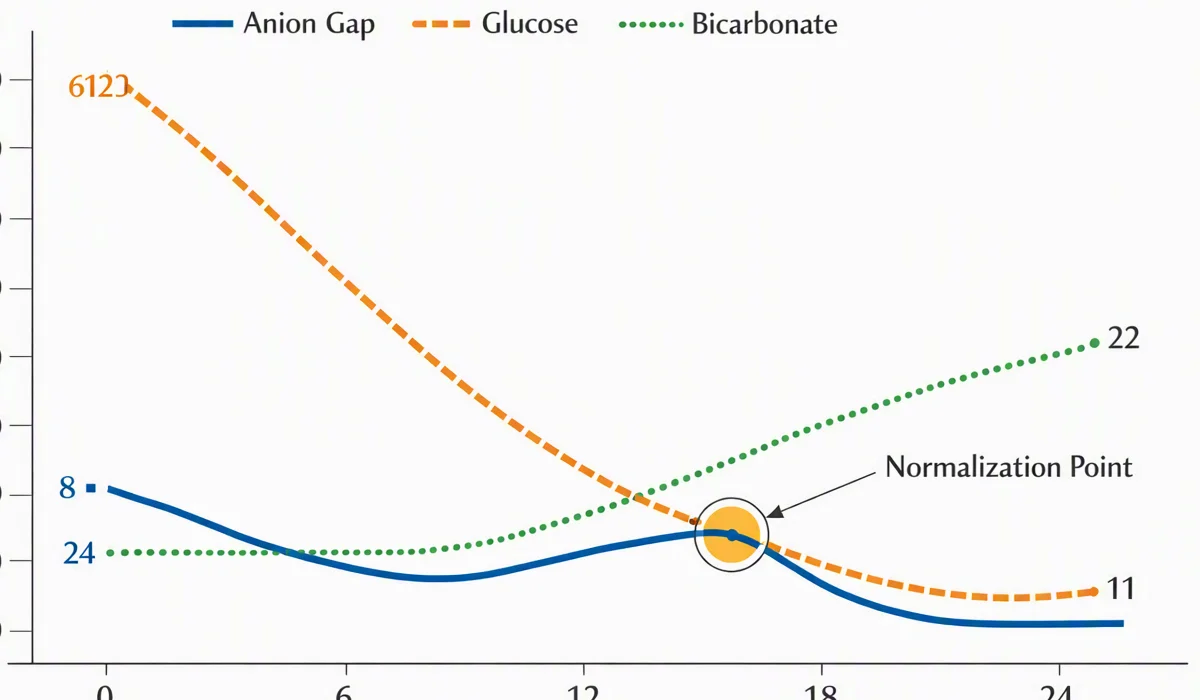
Although the anion gap is commonly discussed in metabolic acidosis, it also matters in metabolic alkalosis because the surrounding clinical context can change how the result is read. A normal, corrected, or elevated value may suggest different underlying processes, especially when paired with other serum electrolytes and laboratory values from a blood chemistry panel.
How an Anion Gap Calculator Operates
An anion gap calculator is a medical calculator that applies the anion gap formula so you can rapidly review blood test results. The most common calculation formula is:
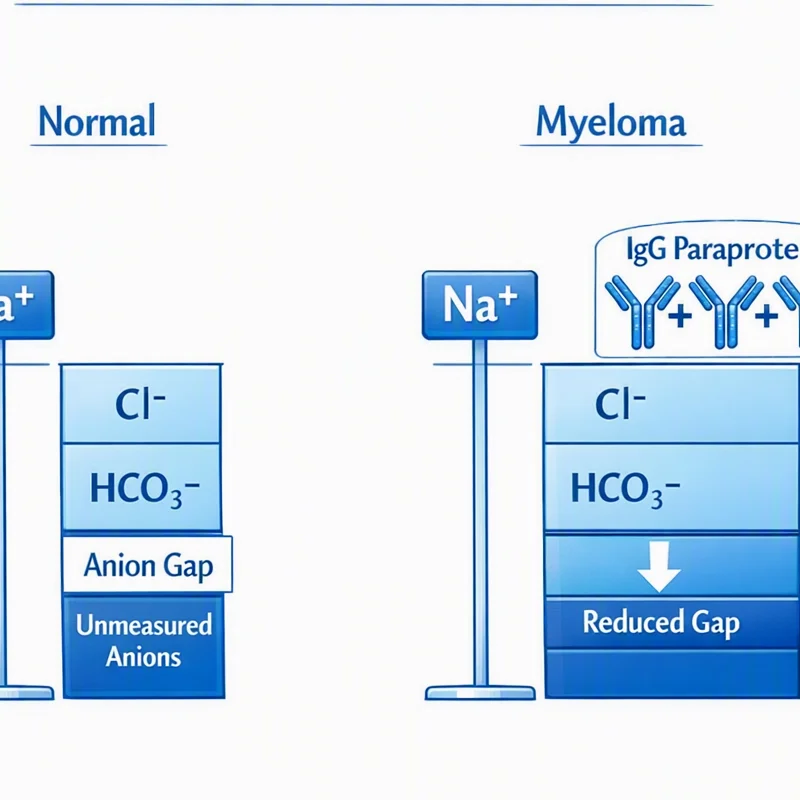
Anion gap = serum sodium - (serum chloride + serum bicarbonate)
This equation uses serum sodium, serum chloride, and serum bicarbonate because they are the main values available on a standard electrolyte panel. Sodium is the primary measured cation, while chloride and bicarbonate are the primary measured anions used in the calculation. The result is then compared with a reference interval or reference range to determine whether the value is normal or abnormal.
Many calculators also offer an optional albumin adjustment. Since albumin is a major unmeasured anion, a low albumin level can make the anion gap appear deceptively normal. A thoughtfully made calculator therefore acts as both a diagnostic tool and an interpretation guide, helping with clinical decision making when the numbers do not fit the expected pattern.
Anion Gap in Metabolic Alkalosis: Interpretation Basics
In metabolic alkalosis, the body has a initial elevation in bicarbonate or acid loss, and the anion gap may appear unchanged, slightly changed, or elevated depending on the cause and the patient’s compensatory state. Understanding the anion gap in this setting requires more than simply reading the number; it requires attention to metabolic compensation and the full pattern of lab findings.
A standard anion gap in metabolic alkalosis often suggests that the alkalosis is due to chloride depletion, volume changes, or other processes that do not add excess acids to the bloodstream. An elevated result may suggest a dual disturbance, such as concurrent metabolic acidosis, or hidden contributions from unmeasured acids. This is where albumin becomes important, because low albumin can mask a truly increased gap.
For that reason, many clinicians rely on the corrected anion gap rather than the unadjusted value. The corrected value gives a more accurate picture of test interpretation, especially when metabolic alkalosis coexists with other changes in acid-base balance. In short, the calculator does not replace judgment; it improves the quality of that judgment.
Required Inputs for the Calculator
A dependable calculator usually requires four inputs: serum sodium, serum chloride, serum bicarbonate, and serum albumin. These values come from a standard blood chemistry panel or electrolyte panel, and each helps refine the final interpretation.
- Serum sodium: the main cation used in the formula.
- Serum chloride: an important measured anion that helps establish the gap.
- Serum bicarbonate: indicates buffering status and is central to acid-base analysis.
- Serum albumin: used in albumin correction when required.
These inputs also support broader lab result analysis. For instance, a low bicarbonate may suggest metabolic acidosis, while an elevated bicarbonate is more consistent with metabolic alkalosis. Chloride trends can help identify chloride-responsive patterns, and albumin helps prevent underestimating the anion gap in patients with hypoalbuminemia.
When any of these values are missing, interpretation becomes less precise. The calculator may still generate a number, but without the full dataset, the result may not reflect the true clinical context.
Step by Step Computing Sample
Here is a simple calculation example based on typical lab values:
- Sodium level: 140
- Chloride level: 100
- HCO3: 30
With the formula:
Anion gap = 140 - (100 + 30) = 10
When the applicable normal range is around 8 to 12, this result would be considered as a normal anion gap. In the setting of metabolic alkalosis, that may point to a chloride-related or volume driven cause rather than a occult acid load.
Next, consider a further example:
- Serum sodium: 140
- Serum chloride: 94
- Serum bicarbonate: 30
Anion gap = 140 - (94 + 30) = 16
This result may fit an elevated anion gap pattern depending on the lab’s reference range. In the setting of metabolic alkalosis, that brings up the possibility of a complex acid-base disorder or another process such as elevated lactate that is changing the overall interpretation.
Drivers of alkalosis with Unchanged or Elevated Anion Gap
Several disorders can cause alkalosis while the anion gap remains normal or turns unexpectedly elevated. The primary real-world causes include vomiting, diuretic use, and volume depletion. These can decrease chloride, alter renal processing of bicarbonate, and create a pattern that suggests alkalosis even when another issue is present.
Vomiting can lead to loss of gastric acid, which increases bicarbonate relative to chloride. Diuretic use often promotes sodium and chloride loss, producing contraction alkalosis and a distinctive electrolyte pattern. Volume depletion can even more intensify renal bicarbonate retention and create a strong compensatory response.
An elevated gap in a patient who appears alkalotic should call for careful review for overlapping disorders. One important example is lactic acidosis, which can coexist with alkalosis and raise the combined gap. This is why the calculator should always be used as part of a larger clinical interpretation rather than as a standalone answer.
How to Correct the Anion Gap for Albumin
Albumin correction is important because albumin is a negatively charged protein that contributes significantly to the unmeasured anion pool. When albumin is low, the measured anion gap may appear falsely normal. This is especially important in patients with hypoalbuminemia, where the uncorrected number can miss the true acid burden.
Many clinicians use a corrected anion gap to improve test interpretation. A common approach is to include a set amount for each gram per deciliter that albumin falls below normal, though the exact correction used can differ by institution. The key point is that a corrected anion gap gives a better picture of the patient’s acid-base status.
For example, a patient with a borderline-normal value may actually have an elevated corrected result after adjustment for albumin. That corrected value can change the overall reading from simple metabolic alkalosis to a mixed acid base disorder. This is why albumin should be reviewed together with serum sodium, serum chloride, and serum bicarbonate whenever possible.
When an Anion Gap Calculator Is Most Useful
An anion gap calculator is most useful when a clinician requires quick, systematic clinical decision support from a blood chemistry panel. It is especially helpful when the lab pattern does not immediately make sense or when more than one process may be occurring at the same time.
Common cases include:
- Assessing an electrolyte panel in a patient with unusual bicarbonate changes
- Looking for hidden acid-base disorders in apparent metabolic alkalosis
- Tracking serial laboratory values during treatment
- Assessing whether a corrected anion gap changes the interpretation
- Supporting diagnosis when symptoms and labs do not match neatly
The tool is also valuable for documentation and communication. When the calculation is done consistently, it provides a clear structure for discussing acid-base patterns with other clinicians. That consistency improves clinical interpretation and helps avoid overlooking a mixed disorder.
Limitations and Common Calculation Errors
Even a well-designed calculator has constraints. Lab variability between instruments or facilities can change the result slightly, and measurement error can affect sodium, chloride, or bicarbonate values enough to influence the final gap. Because the formula depends on small differences between numbers, even modest inconsistencies can make a difference.
Another major limitation is that the anion gap only reflects a portion of the body’s charged particles. It does not directly measure all acids or bases, and unmeasured anions may be present even when the value seems normal. That is why the result must always be considered in clinical context, not by itself.
Common calculation errors include entering the wrong units, using outdated values, or forgetting to apply albumin correction when indicated. Misreading the reference range is another common problem because different laboratories may use different reference intervals. A result that is normal in one setting may be borderline in another.
Finally, keep in mind that an anion gap is never a replacement for a thorough acid-base assessment. It is one part of the overall assessment that includes symptoms, medications, volume status, and the broader pattern of serum electrolytes. When used correctly, it strengthens lab result analysis; when relied on alone, it can be misleading.
FAQ Regarding Anion Gap and Metabolic Alkalosis
What does an anion gap calculator used for?
An anion gap calculator is used to efficiently determine the anion gap from serum sodium, serum chloride, and serum bicarbonate. It supports clinical interpretation of acid-base balance, reveals possible electrolyte imbalance, and helps with evaluation of metabolic alkalosis or metabolic acidosis. When albumin is included, it can also deliver a corrected anion gap for more accurate laboratory interpretation.
Can metabolic alkalosis affect the anion gap?
Yes. Metabolic alkalosis can be seen with a normal anion gap, and in some cases it may occur alongside an elevated anion gap if another disorder is present. The final reading depends on the clinical setting, albumin level, volume status, and whether there are unmeasured anions https://anion-gap-help494.lucialpiazzale.com/how-alcoholic-ketoacidosis-changes-the-anion-gap contributing to the result. That is why the anion gap calculator should be used as within a broader acid-base disorder assessment.
How do you calculate the anion gap from lab values?
The most common anion gap formula is serum sodium minus the sum of serum chloride and serum bicarbonate. That is, sodium - (chloride + bicarbonate). This calculation uses values from an electrolyte panel or blood chemistry panel and is then compared with the reference range to determine whether the result is within range or elevated.
Why should albumin be used to correct the anion gap?
Albumin should be used because it is a major unmeasured anion. When albumin is low, especially in hypoalbuminemia, the uncorrected anion gap may look falsely normal. Albumin correction helps reveal the corrected anion gap, which provides better clinical interpretation and more accurate lab result analysis.
What does a standard or high anion gap mean in alkalosis?
A typical anion gap in metabolic alkalosis often points toward chloride loss, vomiting, diuretic use, or volume depletion. A high anion gap may indicate that another process may also be present, such as lactic acidosis or another acid-base disorder. The key is to interpret the value with the patient’s clinical context, albumin level, and full blood test results rather than considering the number alone.