Anion Gap Calculator for Assessing Electrolyte Imbalance
How the Anion Gap Assesses
The anion gap is a helpful way to measure electrolyte imbalance and determine whether the body’s acid-base balance is shifting into an abnormal state. It is not a direct measurement of a single substance. Instead, it reflects the difference between measured positively charged and negatively charged particles in the blood, helping clinicians identify hidden problems in the bloodstream.
An anion gap calculator helps organize key laboratory values from a basic electrolyte panel or broader serum electrolytes testing. When interpreted correctly, the result can aid recognition of an acid-base disorder, especially metabolic acidosis. This makes it a valuable diagnostic tool in routine clinical assessment.
Because the body maintains electrical neutrality, the measured anion concentration provides clues about what is not directly measured in blood chemistry. A widened gap can suggest increased levels of unmeasured anions, while a normal result does not always rule out disease. That is why the anion gap is best used as part of a complete interpretation, not as a standalone answer.
In simple terms, the test helps clinicians ask: is the patient in an acidic state, and if so, is there evidence that the cause involves extra acids, loss of bicarbonate, or another metabolic disorder?
How an Anion Gap Calculator Works
An anion gap calculator relies on three core lab values: sodium, chloride, and bicarbonate. These values are usually part of a standard chemistry panel and are the main inputs used to estimate the gap. The calculator performs a simple calculation formula and then measures the result with the expected normal range.
The method is straightforward. Sodium represents the main measured cation, while chloride and bicarbonate serve as the primary measured anions. By subtracting the sum of chloride and bicarbonate from sodium, the calculator estimates the amount of unmeasured negative charge in the blood. That difference is the anion gap.
This process is helpful because many causes of metabolic acidosis involve acids that do not appear directly on routine testing. A calculator can quickly highlight whether the result is consistent with a high anion gap or a normal anion gap pattern. In practice, this supports faster review of an abnormal electrolyte panel.
Because the values come from routine serum electrolytes, the calculator is easy to use in both urgent and non-urgent settings. Still, the output should always be interpreted in context. The number alone does not diagnose the cause of an acid-base disorder; it simply limits the possibilities.
Anion Gap Formula and Reference Range
The standard anion gap formula can be expressed as:
Anion gap = sodium - (chloride + bicarbonate)
Some clinicians also use a version that includes potassium, but the sodium-based formula is the most common in everyday practice. The final result is then measured against the expected reference range, which can vary depending on the laboratory method and reporting system.
A typical normal range is often considered to be approximately 8 to 12 mEq/L when potassium is excluded, though exact cutoffs differ. This variation matters because a result that looks borderline in one lab may be entirely expected in another. For this reason interpretation should always be tied to the specific laboratory’s reporting method rather than a single universal threshold.
Albumin also influences the baseline result because it is a major unmeasured anion in blood. When albumin is lower than expected, the anion gap may appear falsely low or normal even when a clinically important acid load is present. This is one reason the calculator can be more informative when paired with an albumin-aware interpretation.
Grasping the formula is important, but the real value comes from what the number suggests about the patient’s physiology. A changed result can signal a shift in acid burden, bicarbonate loss, or the presence of extra negative ions not captured by standard testing.
Revised Anion Gap and Albumin-Based Adjustment
The adjusted anion gap recalculates the measured result for the effect of hypoalbuminemia. Since albumin is a major contributor to the normal gap, low albumin can hide an elevated acid burden. In this scenario, albumin correction helps reveal the true degree of abnormality.
This correction is especially important in patients with chronic illness, inflammation, malnutrition, or fluid overload, all of which may reduce albumin. If albumin is low, anion gap in chronic kidney disease the uncorrected result may understate the presence of acid-base acidosis. A corrected value can shift an apparently normal result into a clearly abnormal one.
One common clinical mistake is to overlook hypoalbuminemia and assume that a normal number rules out a significant acid-base problem. In reality, the corrected value may uncover a hidden anion shortfall that better matches the patient’s condition. This is why albumin should be reviewed alongside the standard electrolyte data.
The correction method varies somewhat by institution, but the principle is consistent: account for the lower albumin so the estimated gap more accurately reflects the true balance of measured and unmeasured negative ions. In a patient with a suspicious presentation, albumin correction can materially change the clinical interpretation.
Common Causes of High Anion Gap
A high anion gap often indicates the occurrence of extra acids that have not been directly measured by usual lab tests. This pattern is a classic clue for metabolic acidosis and should prompt review of the clinical picture, medications, exposures, kidney function, and nutritional state.
Lactate-related acidosis is a major cause of high gap acidosis. It can occur when tissues do not receive enough oxygen or when the body cannot clear lactate effectively. Because lactate is an unmeasured anion, it raises the gap and may indicate serious illness requiring prompt attention.
Ketone buildup is another frequent cause. It may occur in diabetes, prolonged fasting, heavy alcohol use, or other situations where the body shifts toward fat breakdown and ketone production. Ketones behave as unmeasured anions and increase the measured gap.
Impaired kidney function, especially advanced kidney dysfunction such as chronic kidney disease, can also raise the gap because the kidneys cannot adequately excrete acids. As acids accumulate, the blood becomes more acidic and the gap widens. Kidney-related causes often coexist with other metabolic changes, making careful review essential.
Other causes include toxin exposure and various poisonings that produce or contribute to excess acids. In all of these settings, the key concept is the same: the measured values do not account for all the anions present, so the difference increases.
Typical Causes of Normal Anion Gap Metabolic Acidosis
A normal anion gap does not necessarily mean the acid base status is healthy. Some patients have metabolic acidosis with a normal gap because bicarbonate is lost and chloride rises to maintain electrical neutrality. This pattern is often called a hyperchloremic acid-base disorder because hyperchloremia is a key feature.
Diarrhea is a frequent cause. When the gastrointestinal tract loses bicarbonate-rich fluid, the body compensates by retaining chloride, which keeps the gap from rising. The result is still an acid-base problem even though the number may remain within the usual range.
Renal tubular acidosis is another important cause. In this disorder, the kidneys cannot properly handle acid or bicarbonate, leading to metabolic acidosis with a normal gap. Identifying this pattern can help distinguish renal tubular issues from other causes of low bicarbonate.
Because hyperchloremia can mask the underlying bicarbonate loss, clinicians need to look at the whole electrolyte pattern rather than just the gap alone. A normal result should be interpreted in light of symptoms, medication use, kidney function, and other laboratory findings.
The takeaway is simple: a normal number does not exclude important disease. https://blogfreely.net/sulannwhpz/can-pregnancy-change-the-anion-gap It may instead point toward a different type of acid-base disorder that requires a more targeted evaluation.
How to Understand Results One Step at a Time
Reading the findings from an anion gap calculator is most useful when done systematically. Start with the electrolyte panel and verify that sodium, chloride, and bicarbonate values are dependable. Then determine whether the result suggests metabolic acidosis, whether the gap is increased, and whether albumin may be influencing the result.
Step 1: Check the lab values. Review sodium, chloride, and bicarbonate together rather than in isolation. A small change in one value can change the calculation significantly.
Step 2: Compare the result with the reference range. Decide whether the value is truly abnormal using the lab’s own cutoffs. This reduces overcalling minor variation as disease.
Step 3: Consider albumin. If albumin is low, make the correction before finalizing the interpretation. This is especially important when the patient appears more ill than the raw number suggests.
Step 4: Relate the result to the clinical picture. A high gap may suggest lactic acidosis, ketoacidosis, renal failure, or another acid load. A normal gap with acidosis may suggest diarrhea or renal tubular acidosis.
Step 5: Decide on next steps. If the pattern suggests an acid-base disorder, use the rest of the clinical assessment to determine whether more testing, treatment, or urgent evaluation is needed.
This stepwise method improves clinical interpretation and reduces the risk of missing a serious electrolyte imbalance. The aim is not just to name the number, but to understand what the body is signaling.
Constraints of Anion Gap Calculation
Even though the anion gap is valuable, it has important drawbacks. One issue is lab variability. Different analyzers and reporting methods may yield slightly different results, so the same patient can have different numbers depending on where the sample is tested.
Another limitation is that the gap only gauges the balance of measured and unmeasured ions. It does not identify which specific acids or ions are responsible. A high result points to a problem, but it does not name the cause on its own.
There are additionally broader diagnostic limitations. A normal result does not always eliminate a serious disorder, especially if bicarbonate is low or albumin is abnormal. Likewise, a mildly elevated result may be caused by changes in laboratory method rather than true disease.
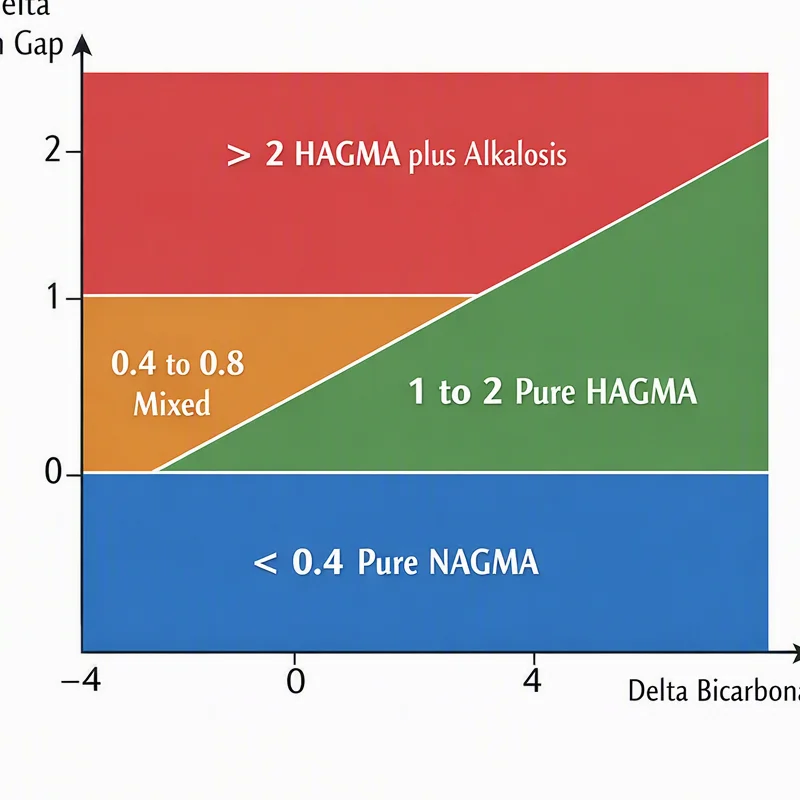
Because of these limitations, the calculation should be used as part of a larger diagnostic tool strategy that includes symptoms, exam findings, and additional blood chemistry data. The anion gap is best understood as a clue, not a final diagnosis.
Careful interpretation matters most in complex cases such as mixed acid-base disorders, advanced kidney disease, severe infection, or toxic exposure. In these settings, the number may be only one piece of a larger and more nuanced clinical picture.
Common Questions
What is an anion gap calculator used for?
An anion gap calculator is used to calculate the difference between measured cations and anions in the blood so clinicians can evaluate electrolyte imbalance and screen for an acid-base disorder. It is especially useful for detecting patterns consistent with metabolic acidosis and deciding whether the cause is likely a high gap or normal gap process.
How do you calculate the anion gap from lab values?
The standard calculation formula is sodium minus the sum of chloride and bicarbonate: anion gap = sodium - (chloride + bicarbonate). This uses common serum electrolytes from an electrolyte panel. The result is then compared with the laboratory reference range to see whether it is normal or abnormal.
Why is albumin correction essential for the anion gap?
Albumin correction is important because albumin serves as a major unmeasured anion. If albumin is low, as in hypoalbuminemia, the measured gap may appear normal even when extra acids are present. The corrected anion gap helps reveal hidden abnormalities and improves interpretation.
What can cause a high anion gap?
A high anion gap is commonly caused by lactic acidosis, ketoacidosis, and renal failure. It can also occur with toxic exposures or other conditions that increase unmeasured anions. The pattern usually implies that the body is accumulating acids faster than it can remove them.
Can a normal anion gap still indicate a serious electrolyte imbalance?
Yes. A normal anion gap can still be associated with a serious electrolyte imbalance, especially if there is metabolic acidosis from diarrhea, renal tubular acidosis, or marked hyperchloremia. The gap is only one part of the evaluation, so the full clinical picture is important.